An Explosive History
Heritage
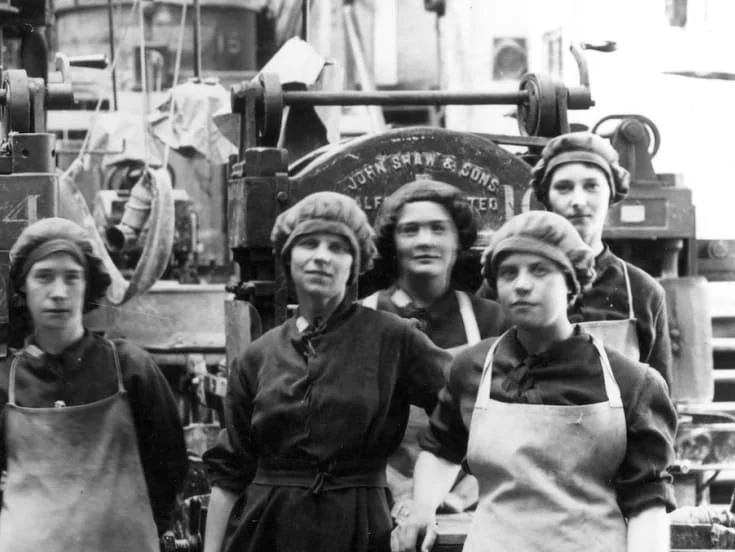
The Royal Gunpowder Mills is designated a Scheduled Monument, the highest protection that can be given to a historic site. Its landscape is shaped by 300 years of making explosives and propellants, sealed off from the outside world and featuring a large number of listed buildings, waterways, dry canals and an alder tree plantation which supplied the wood to make the charcoal, one of the three ingredients of gunpowder. It is an anchor point of the European Route of Industrial Heritage.
The Millhead stream was the initial focal part of the site, dug by monks from the nearby Waltham Abbey to form the main power source for the water driven flour mills located in this area. The first gunpowder mills on the stream were recorded in 1662. The Millhead was built to provide a 6 foot head of water to drive the water wheels which powered the various process buildings. The site and mills were purchased by William Walton in the late 1600s, and by 1735 a series of mills and ancillary buildings were present and forming the Walton Gunpowder Works, all built along the Millhead and draining to lower level leats on each side.
Listed Buildings
Philippa Walton (b.1674) took control of her husband William’s estate after his death in 1711. It comprised one of the largest gunpowder operations in the country, with an office in London and production facilities in Balham, Surrey - and the gunpowder mills in Waltham Abbey. Overcoming personal tragedy while caring for her ten young children, and enduring the general prejudice of the age, Philippa succeeded in turning her business into one of the pre-eminent gunpowder mills of its time. The business had been thriving thanks to the demand for ordnance during the War of the Spanish Succession (1701 to 1713). However, shortly after Philippa took over, hostilities ceased with the signing of the Treaty of Utrecht in 1713, leading to a much reduced demand for gunpowder until the outbreak of the War of the Austrian Succession (1740 to 1748).
This relatively peaceful period posed a major problem for the industry that saw many gunpowder producers go out of business. Philippa, rose to the challenge of these difficult trading conditions, successfully managing her affairs so that she survived when many others failed. She rationalised her business, closing her plant in Balham to focus production at Waltham Abbey. Thanks to her business acumen she was able to expand the premises in Waltham Abbey in January 1719 buying three further powder mills on the site as well as the rights to the Mill Stream. In 1723 she took one of her sons, John, into the business as a junior 25% partner. He became an equal partner seven years later, but she remained actively involved in the business until shortly before her death on 7th December 1749. Unfortunately there are no existing portraits of Philippa.
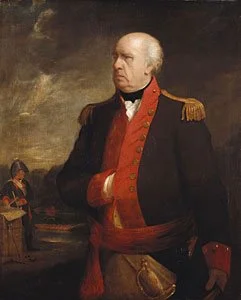
Major William Congreve (later Sir William Congreve, 1st Baronet) was a military officer appointed Deputy Comptroller of the Woolwich Royal Laboratory in 1783. He urged the government to acquire the Waltham Abbey Mills from the Walton family; the crown eventually purchased the mills in 1787. Congreve oversaw major improvements in the manufacturing processes & material controls of gunpowder manufacture as well as introducing safety improvements. He served with distinction in the American revolutionary war, being wounded at Long Island, and fought in the French Revolutionary Campaigns of 1794.
Canals & Waterways
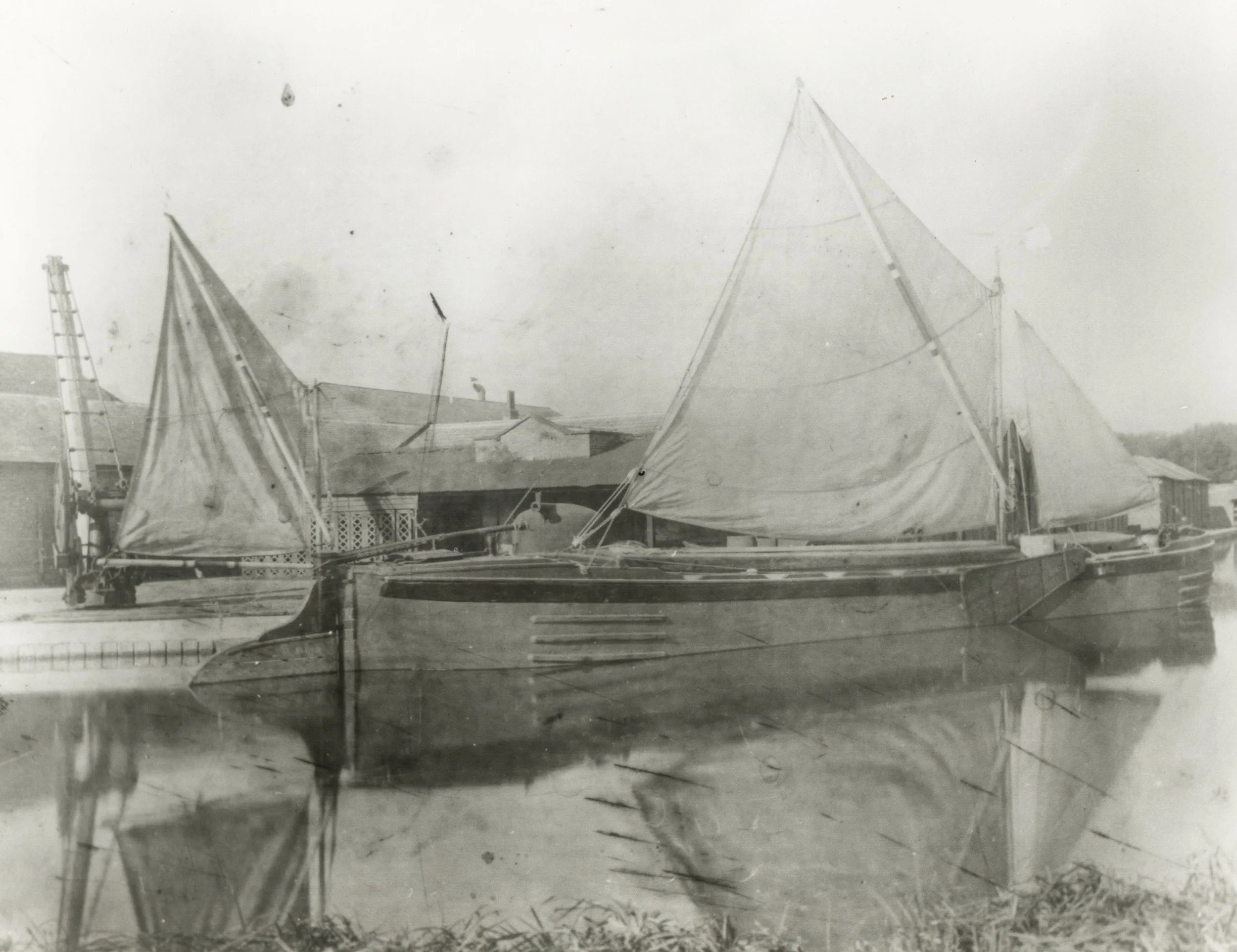
The canals within the Gunpowder Mills played a vital role in the manufacture of explosives.
The Millhead stream drew water from the Old River Lea at the northern extremity of the Mills. This channel, running down the western edge of the site, provided the head of water which was used to drive all the water-powered mills.
By the nature of a powder factory, it was important that the buildings were spaced well apart to lessen the possibility of chain reaction should a building explode. These canals made transport of the sensitive materials between the process buildings much safer, carried in boats on the smooth surface of a canal, rather than in carts over bumpy roads.
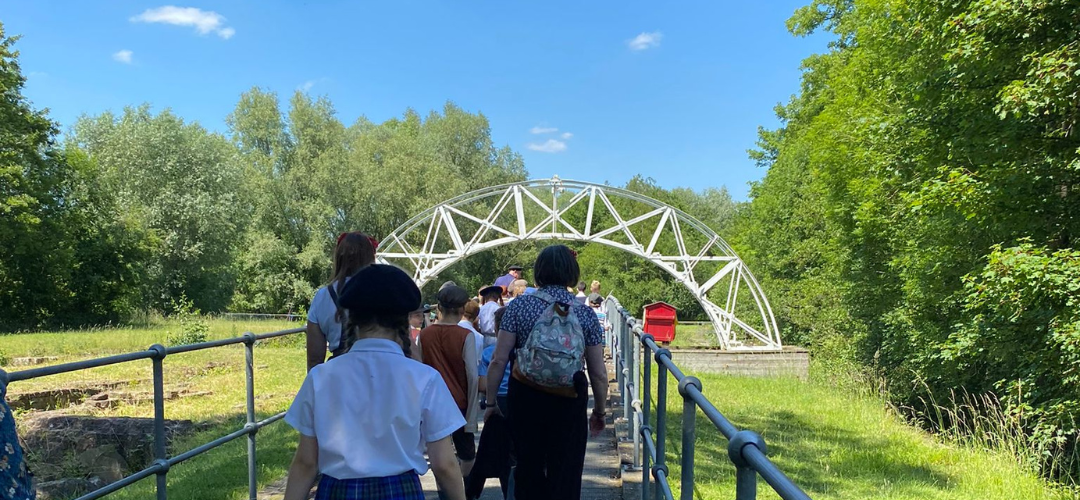
Even after the arrival of steam driven mills in the mid-nineteenth century, canals were still built as part of the transport system which, by the 1890s, reached it maximum extent of over ten miles. The three levels within the site were linked by locks, two of which still survive. Cast-iron aqueducts were built to carry the canals over the channel of the old River Lea, which meanders through the Mills site.
One of the powderboats has been restored by the Friends Association and can be found in the Green Hut, about 5 minutes' walk from the main visitor area. These boats carried the process materials around the canal system, always man-hauled by rope from the bank. Horses were never used on site. Perhaps the possibility of a horse bolting with a boat loaded with explosives, gave pause for thought.
Many of the canals are now dry, although this does not minimise their powerful presence in the landscape.
Listed Buildings
In an official report The Royal Gunpowder Mills Waltham Abbey were described as “the most important site for the history of explosives in Europe”.
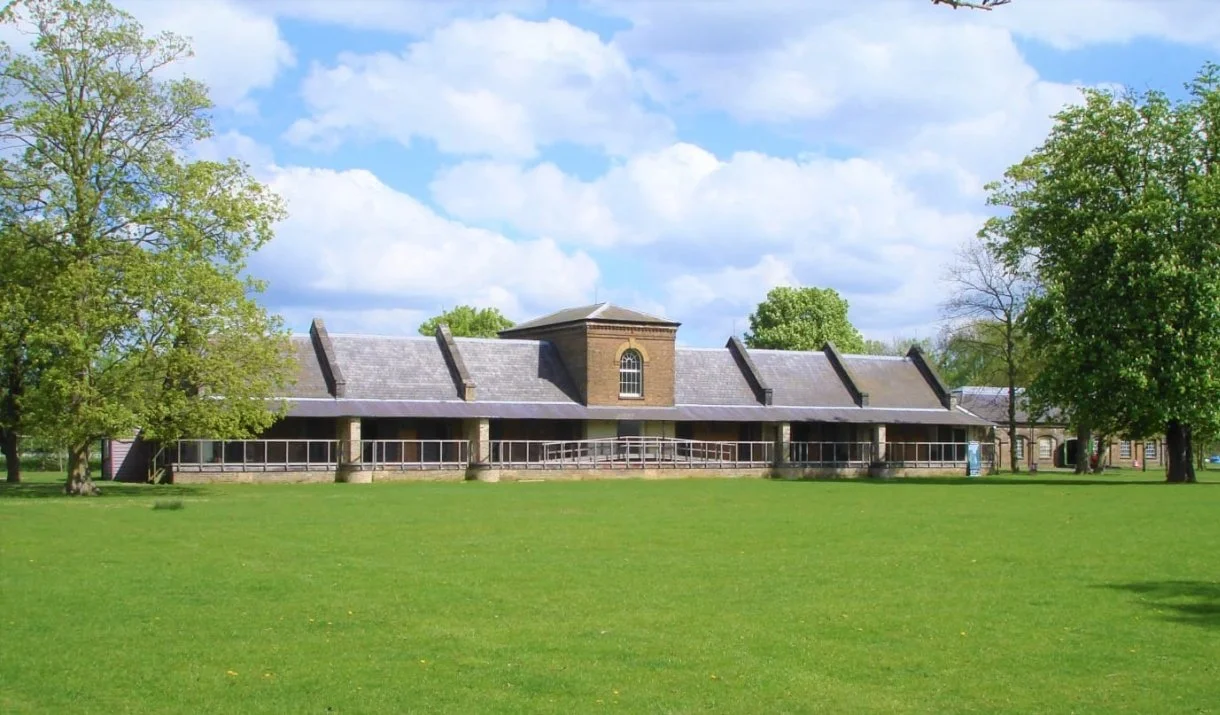
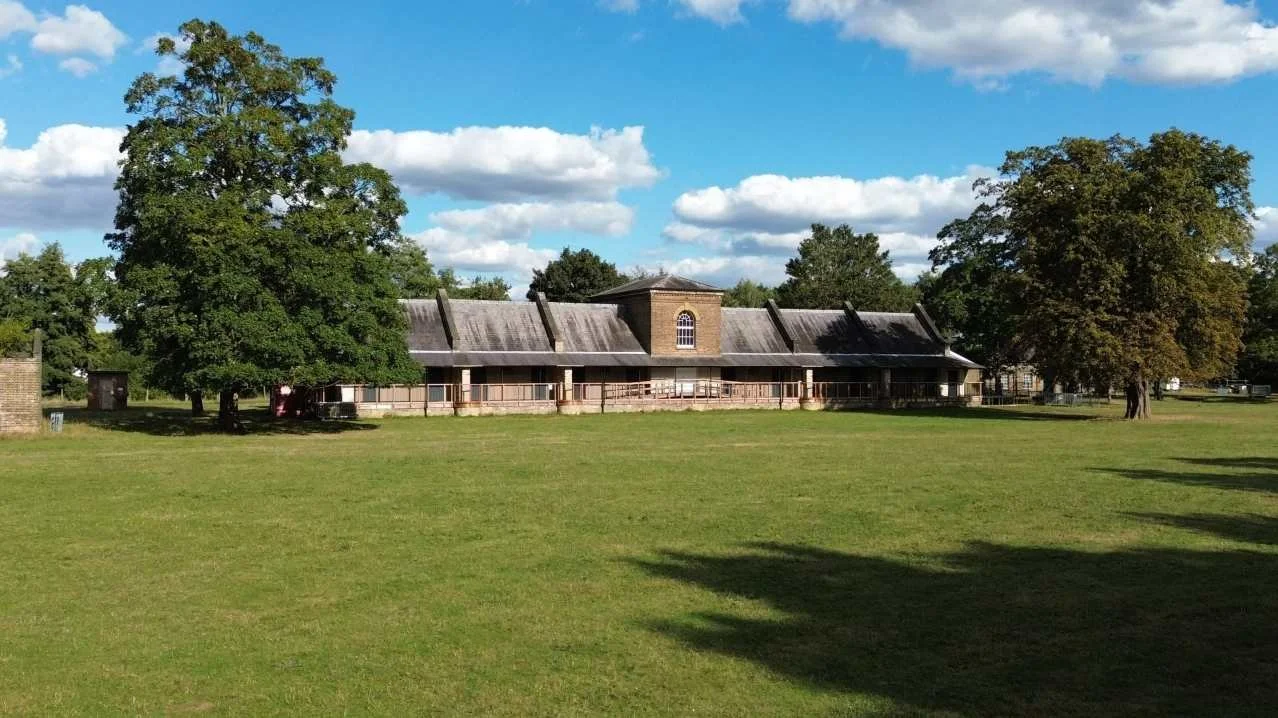
Many of the major world advances in gunpowder and explosive production using a range of technologies were made here, continuing into the later role of Research Centre, extending to rocket propellant. The listed buildings are unique surviving structures spanning the range of this activity which was carried on for the Crown in conditions of secrecy for over 200 years. This came to an end in 1991 when the Establishment’s role was transferred to other centres and from 2001 for the first time this remarkable site was opened to the outside world.
Grade I buildings are of exceptional interest. Just 2.5% of listed buildings are Grade I.
Grade II* buildings are particularly important buildings of more than special interest. 5.8% of listed buildings are Grade II*.
Grade II buildings are of special interest warranting every effort to preserve them. Over 90% of all listed buildings are Grade II.
With 20 listed buildings, the Royal Gunpowder Mills has the largest collection of listed buildings at one location.